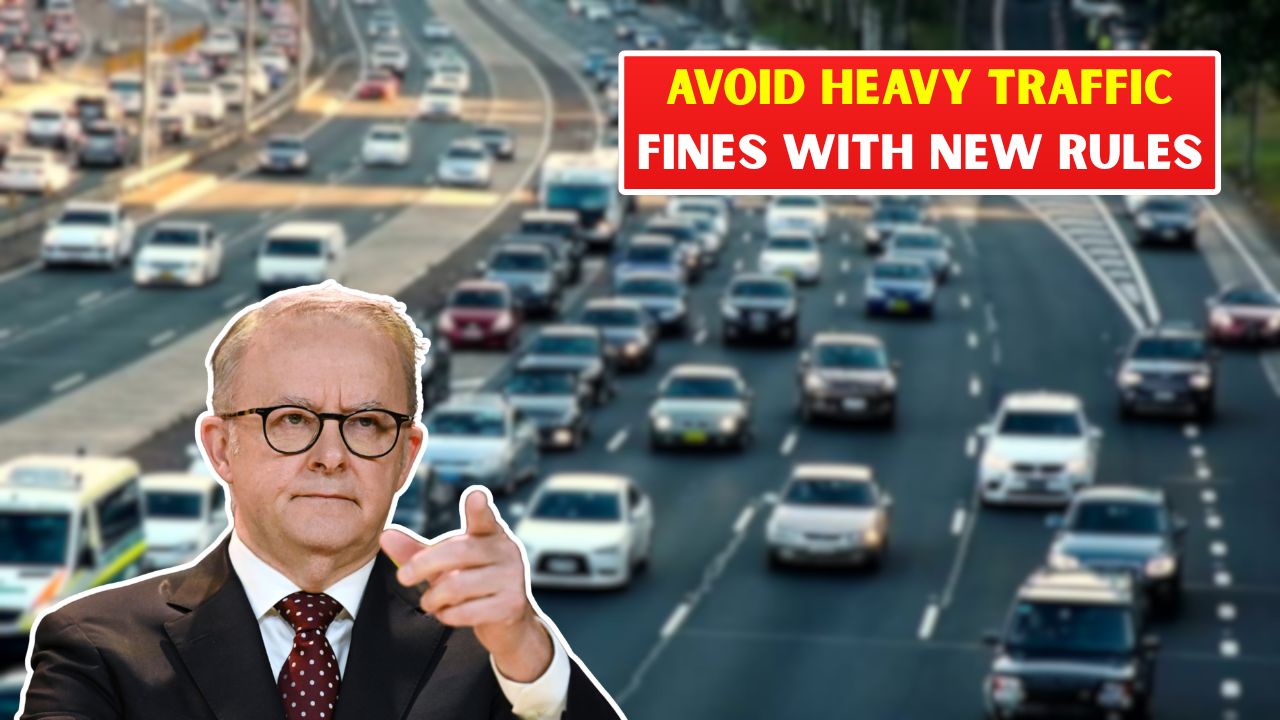
The daily routine for many Australian drivers often involves getting behind the wheel for school runs, work commutes, or errands. However, starting March 31, 2026, motorists will need to be more mindful than ever of their driving habits. The introduction of updated road safety enforcement rules could see drivers facing fines up to $1,200 for certain infringements. These measures aim to enhance road safety and ensure all road users are better protected.
Understanding the New Enforcement Rules
The revised regulations encompass a broad spectrum of offenses, from speeding and using mobile phones while driving to failing to wear seatbelts. Authorities have identified these infractions as significant contributors to road accidents. With the new rules, even minor lapses in judgment behind the wheel can result in substantial financial penalties. The hefty fines serve a dual purpose: they act as a deterrent against reckless driving while also emphasizing the importance of adhering to traffic laws designed to safeguard lives.
Speeding: A Closer Look
Speeding has always been one of the most common traffic violations, but with the updated enforcement rules, authorities are taking a firmer stance. Under the new guidelines, fines for speeding are being adjusted based on both the speed over the limit and the location of the infraction. For example, speeding through school zones or residential areas where pedestrians are at higher risk will incur significantly higher fines compared to other areas. This approach highlights a targeted strategy intended to protect vulnerable road users such as children and pedestrians who are most at risk in these environments.

Distracted Driving and Mobile Phone Use
In today’s digital age, distracted driving is becoming increasingly prevalent as drivers find themselves tempted by their mobile devices while on the road. The updated rules address this issue head-on by implementing stricter penalties for drivers caught using their phones without hands-free technology. This includes not only making calls but also texting or even checking notifications while stopped at traffic lights. The emphasis is on eliminating distractions altogether so that drivers remain focused on their primary responsibility—safe driving. With technology’s pervasive presence in daily life, reinforcing these rules is seen as essential for reducing distraction-related accidents.
Importance of Seatbelt Compliance
Another critical focus of the updated regulations is seatbelt compliance—a fundamental aspect of passenger safety often overlooked during short trips or by those traveling in rear seats. The new rules significantly increase penalties for failing to wear seatbelts, underscoring their role as a simple yet effective measure in saving lives during accidents. Authorities stress that regardless of journey length or seating position within a vehicle, wearing a seatbelt can drastically reduce injury risks in collisions.
Broader Implications for Road Safety
While the immediate intention behind these updated rules is to curtail dangerous driving behaviors through financial deterrence, there is a broader vision at play: cultivating a culture of safety awareness among all road users. By instilling stringent consequences for non-compliance with traffic laws, authorities hope to foster long-term changes in driver behavior that contribute to safer roads overall. Educational campaigns accompanying these changes aim to reinforce understanding and respect for the laws that keep everyone safe on Australia’s roads.

Disclaimer: This article provides general information on updated road safety enforcement rules effective from March 31, 2026, and should not be considered legal advice. Readers are encouraged to consult official resources or legal professionals for specific guidance related to these regulations.